ORIGINS
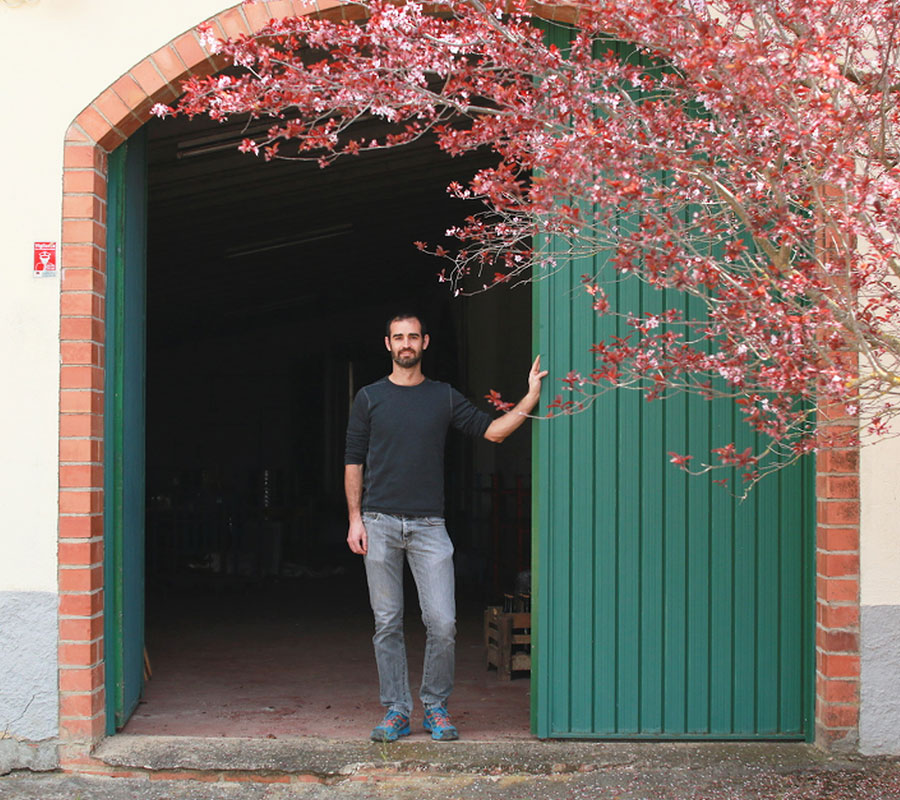
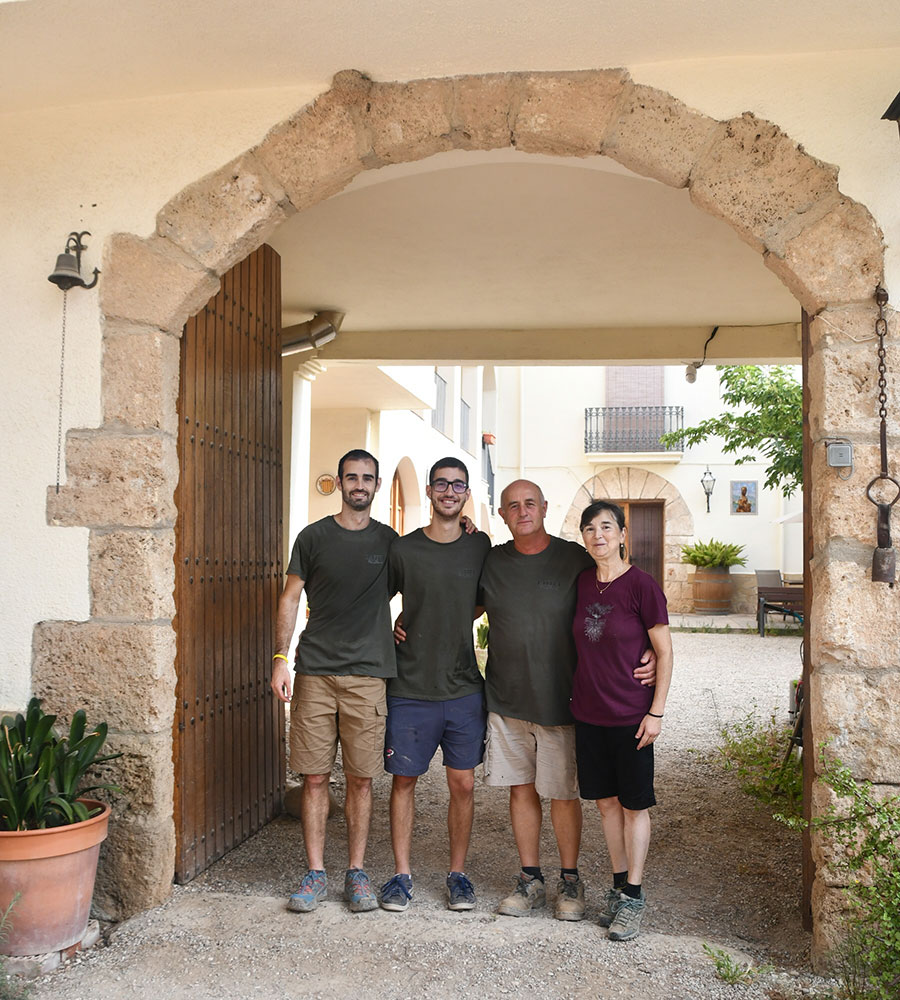
I am Martí Torrallardona Raventós, son of a vine-growing father and a speech therapist mother. I have been lucky that my grandparents were also vine growers, and this continues today with the vineyards of Cal Nogués and Can Patomàs.
After training around the world, in 2021 La Fita was born with the aim of highlighting these unique family vineyards, caring for the landscape that has seen me grow, and expressing it through wine.
"Love your craft, your vocation, your guiding star - the thing that gives you purpose and makes you feel truly unique among men. Strive in your work as if every detail you think of, every word you say, every piece you place, every strike of your hammer determined the salvation of humanity. Because it does, believe me."
Elogi del viure – Joan Maragall
Why La Fita?
Since childhood, the mountains have been part of me, shaping who I am today.
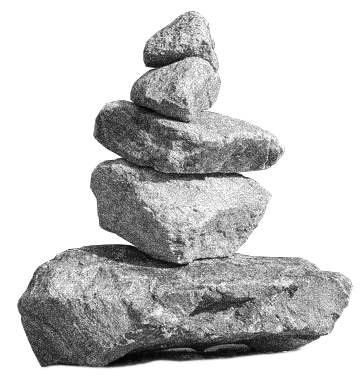
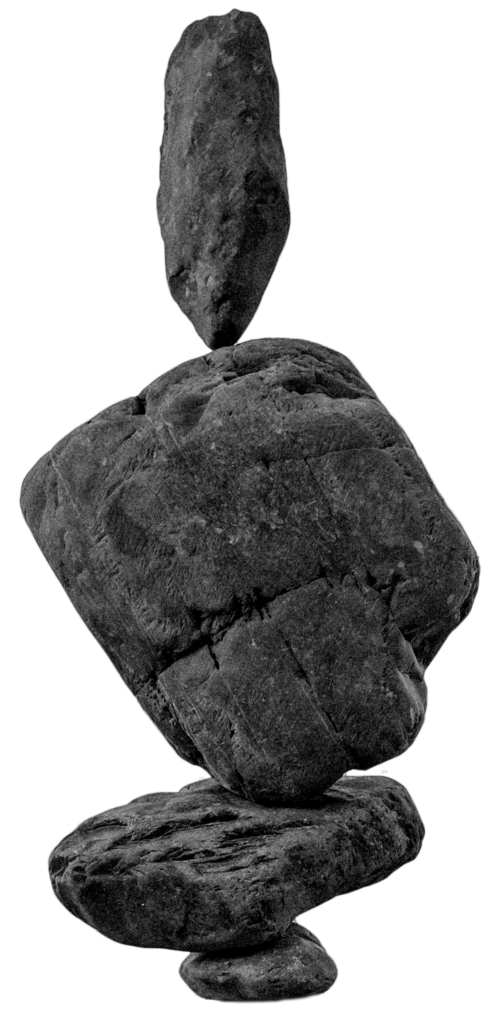
The word “Fita” in Catalan refers to the stone piles that mark the path to a summit or destination. When we see a “fita,” we know we are on the right track.
Step by step, “fita” by “fita,” without rushing, enjoying the journey.
In addition, in Catalan, “fita” also means “goal” – whether it is reading a book, climbing a mountain, or making wine.

CAN PATOMÀS
Since 1748, between Sant Jaume Ses Oliveres and La Fortesa, stands the Masia de Can Patomàs, surrounded by forests, vineyards, olive groves, and cereal fields.
A traditional Catalan farmhouse with a central courtyard enclosed by tall walls, where horses and mules once moved alongside livestock. Today, this space is a place of gathering and play for the youngest members of the family.
At Can Patomàs, life moves slowly, with listening and observation, allowing oneself to be carried by nature’s rhythm – watching the swallows, foraging for wild asparagus, or cracking almonds. The smell of fire, the embers, and long after-dinner conversations reflecting on the day’s work.
Jaume and Marc Torrallardona, uncle and cousin, tend to about 30 hectares of vineyards in Can Patomàs. In the past, they sold their grapes to the cooperative, like most vine growers in Penedès, but in recent years, they have begun selling directly to various winemakers.
It is worth noting that Can Patomàs has always been a place of winemaking, with old wine presses and written records of past sales.
Today, we can proudly say that wine has returned home, closing the cycle once again.
CAL NOGUÉS
“Wine was always made at Cal Nogués,” my grandfather begins to explain. “Here, where you stand, Martí, was the press, firmly anchored to the ground. The press fed into the vat alongside the must, which came from the space where we crushed the grapes with our feet. Using gravity, it flowed into the fermentation tanks. Where the garage is now, there were once about 20 wine barrels.”
The Cal Nogués family has a long lineage of vine growers. However, part of the family was also linked to the world of animals – veterinarians and blacksmiths, with a strong presence of horses.
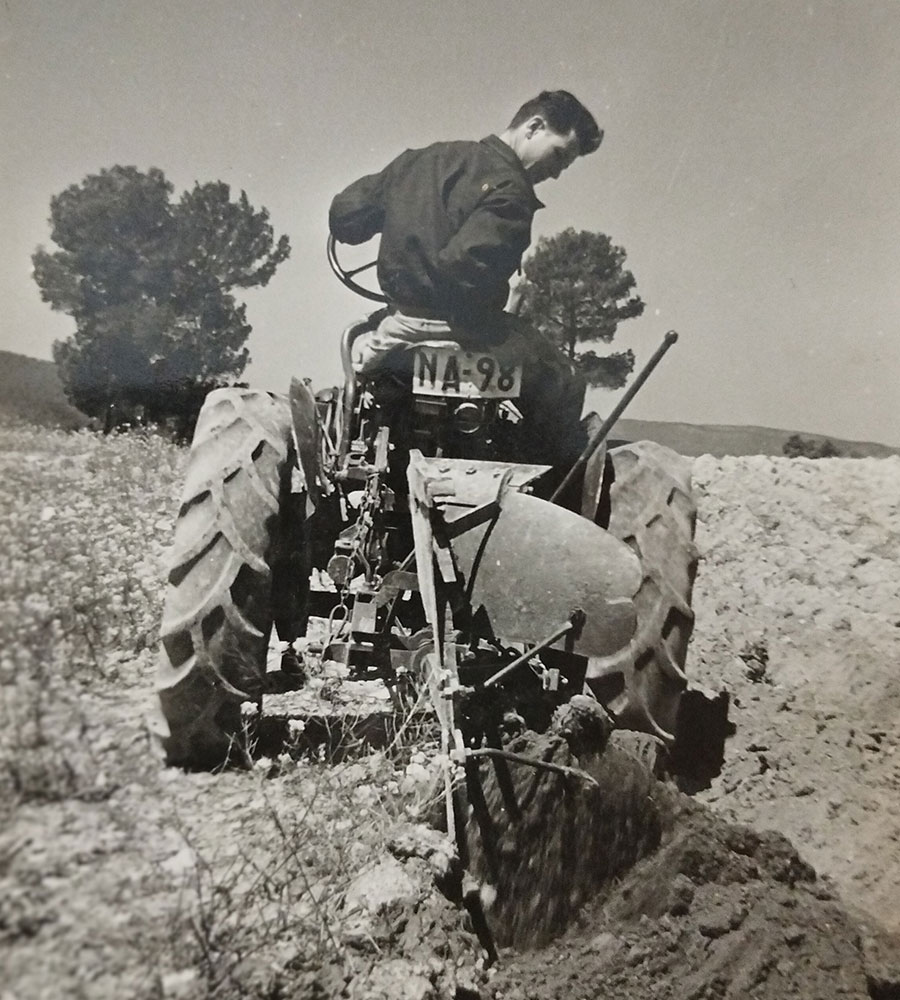
The first horse my grandfather remembers dates back to 1949, when, at the age of 15, he helped hitch them to carts. By the time he was 25 (1959), they decided to buy a horse to work the vineyard. “But not a small one!” he recalls saying. The first horse was a large one, brought from the Ebro region where it had worked the rice fields, but it was slow… So the following year, they traded it for a young, black horse – “That one was a beast!” my grandfather laughs.
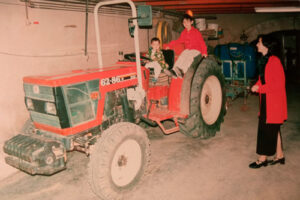
With the horse, they worked their home vineyards and also did hired labor until it became unsustainable to handle so much work alone. He then joined forces with his brother-in-law, Joan Juvé, and together they sold their horses and bought a small tractor. That was the way things went until January 1, 1970, when Avi Ton began working at Juvé y Camps, coinciding with the purchase of the Can Serra de Espiells estate. At that point, my grandfather managed the Espiells estate along with the last family vineyards, which were gradually lost to the expansion of asphalt and concrete.
Today, the vineyards of La Rovira, La Cuscona, and La Foradada are cherished memories. Fortunately, we have preserved La Vinya de la Creu, watching over Sant Sadurní since 1974.
Currently, Joan and Josep Samsó Raventós, uncle and cousin, tend the new vineyards at Can Catassús, where some of La Fita’s grapes, such as Malvasía de Sitges and Sumoll Negre, originate.